
Case Study
The Cost of Deception: Inside Vietnam's Fake Luxury Market
Imagine walking through the bustling streets of Ho Chi Minh City, a vibrant metropolis humming with life. You step into Saigon Square, a favorite spot for both locals and tourists, and you see it—a designer handbag, a high-end watch, an iconic pair of sunglasses. The price is a fraction of what you'd pay back home. The box, the dust bag, the warranty card—they all look perfect. It feels like you've found a secret, a true steal in the world of luxury.
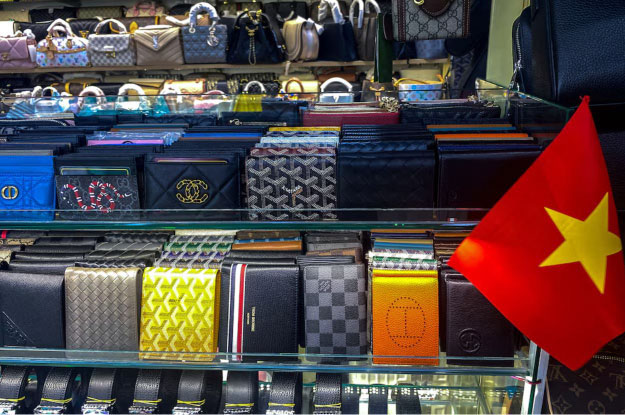
What you don't know is that the deal you've just found isn't a deal at all. It's a lie.
In August 2025, Vietnamese authorities swept through Saigon Square, revealing a massive, hidden operation. The raid wasn't about catching a few street vendors; it was a deep dive into a sophisticated network of deception. They seized thousands of items, from Rolex watches and Gucci bags to Louis Vuitton wallets and Dior accessories.
This bust wasn't just a win for law enforcement; it was a stunning exposé of a billion-dollar problem. The real culprit wasn't just a counterfeit watch or bag, but the packaging that came with it.
Packaging That Lies: The New Art of Deception
For years, we've been taught to spot a fake by its poor quality—a misspelled logo, cheap materials, or a wobbly seam. But today's counterfeiters are a new breed. They know the average consumer is savvy to the old tricks. So, they've shifted their focus. The product is still a fake, but the packaging is a flawless forgery.
These criminals have mastered the art of deception by replicating the one thing we instinctively trust: the brand's presentation. They invest in high-quality printing, embossed logos, gold foil stamps, and branded dust bags. They even create fake certificates of authenticity with serial numbers and QR codes that link to cloned, professional-looking websites.
Why does this matter? Because packaging is the passport of authenticity. It's what tells us a product is genuine without us having to scrutinize every detail. We see the familiar box, the logo-emblazoned pouch, the gold-stamped card, and our brains complete the connection: This is real. Counterfeiters use this psychological shortcut to trick consumers and retailers alike, making their scam almost impossible to spot with a casual glance.
The Domino Effect: Why Forgery Is a Threat to Everyone
The Vietnam raid wasn't just a local problem; it was a textbook example of how forged packaging can undermine brand trust and create a ripple effect of harm.
A Betrayal of Consumer Trust - When a fake looks real, consumers are the first victims. They're tricked into paying hundreds, sometimes thousands, of dollars for an item that is worth next to nothing. The illusion of getting a 'discounted original' is a powerful one, and it's what drives sales in markets like Saigon Square. Tourists, in particular, are at high risk, believing they've found a hidden gem when they've actually just been swindled. The moment of realization—when the stitching frays or the 'gold' tarnishes—is a bitter pill to swallow, and it leaves them feeling cheated and foolish.
The Erosion of a Brand's Legacy - Luxury brands like Rolex and Gucci don't just sell products; they sell an experience and a reputation. That reputation is built on decades of craftsmanship, exclusivity, and quality. When a counterfeiter floods the market with convincing fakes, it cheapens that legacy. Customers who get duped may unknowingly blame the brand, thinking, Gucci's quality must have gone down. This damages the brand's perceived value, erodes consumer confidence, and makes it harder for legitimate retailers to compete.
A Financial and Legal Nightmare - The problem extends far beyond a bad purchase. Brands lose millions in direct sales, while governments lose out on crucial tax revenue. The cost of investigation and legal action against counterfeiters is immense, diverting resources that could be used for other critical services. This financial ecosystem, fueled by deception, profits criminal networks and undermines the very industries it pretends to emulate.
Building an Unbreakable Shield: How Brands Can Fight Back
The raid in Vietnam should be a wake-up call for every brand owner and manufacturer. If a counterfeiter can use your packaging to fool your customers, your brand is vulnerable. You have to fight fire with a smarter, more secure kind of packaging.
Overt and Visible Features: These are the elements that consumers can see and verify. Think of a custom hologram with a unique pattern that shifts in the light, or a tamper-evident seal that breaks when the box is opened, showing it's been compromised. The most effective tool is a unique QR code on every product. A customer can scan it with their phone, and it links to a secure, brand-backed verification page confirming the item's authenticity.
Covert and Hidden Features: These are the secret weapons used by inspectors and retailers. UV-sensitive inks that are invisible to the naked eye but glow under a blacklight, or microtext so small it's only visible with a magnifying glass. These hidden details make it virtually impossible for a counterfeiter to create a perfect replica, as they wouldn't even know these security layers exist.
Empowering the Customer: The best defense is an informed customer. Brands should create simple, user-friendly 'scan to verify' apps and publish clear instructions on their websites and social media about how to spot a fake. Education is key, especially in high-risk markets where counterfeits are rampant.
The New Battlefield
The lesson from Vietnam is clear: counterfeiters are no longer just making a fake product—they are forging a product's entire identity. They understand that if the packaging looks real, the product feels real.
But your brand doesn't have to be a victim. By investing in smart, layered anti-forgery packaging, you can create a shield that is impossible to break. You can protect your brand's integrity, secure your customers' trust, and help them make safe, confident purchases.
The battle for brand trust starts on the outside.