
Case Study
How Fake Ariel Detergent Exposed the Dangers of Forged Packaging ?
The fight against counterfeit goods is a constant battle, and one of the biggest challenges for companies is protecting their product packaging. Counterfeiters have become experts at replicating a brand's external appearance, from the logo and label design to the colors and materials, to deceive consumers and retailers.
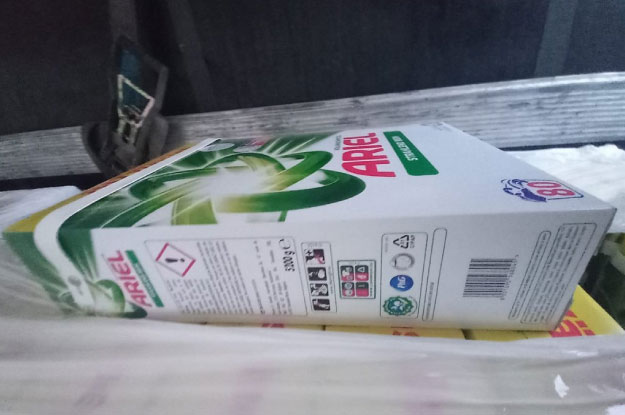
A recent case in Latvia involving fake Ariel laundry detergent perfectly illustrates the growing sophistication of these operations and why packaging security is so important.
The Incident: A Massive Seizure in Riga
In May 2025, authorities in Riga, Latvia, uncovered a large-scale counterfeiting operation that had been producing and distributing fake Ariel-branded detergent across Eastern Europe. The sheer size of the seizure was shocking:
- - Over 22 metric tons of counterfeit detergent.
- - Thousands of empty branded packaging materials.
- - Forged shipping documents and labels.
- - An estimated market value exceeding €739,000 (about $800,000 USD).
The counterfeit products were remarkably similar to the real thing, with identical green and blue plastic pouches, logos, and product details. Without specialized lab testing or a very close inspection, it would have been nearly impossible for the average person to tell the difference.
The Hidden Dangers of Counterfeit Goods
While fake luxury items may seem relatively harmless, counterfeit fast-moving consumer goods (FMCGs) like detergent pose serious risks.
Health Hazards - Fake cleaning products can contain unregulated chemicals or harmful residues. These substances can irritate skin, damage eyes, and even leave harmful residues on clothes or damage washing machines.
Brand Reputation - When a consumer unknowingly uses a fake product that doesn't work well or causes harm, the legitimate brand—in this case, P&G, the producer of Ariel—is at risk of losing consumer trust, even if it's not their fault.
Economic Loss - Counterfeit products hurt a brand's sales and deprive governments of much-needed tax revenue. Everyone loses except the counterfeiters.
Cross-Border Crime - Operations like the one in Latvia are often linked to larger criminal networks. Packaging fraud and forgery aren't isolated incidents; they're part of a global black-market economy.
The Role of Forged Packaging
This case proves that packaging is more than just a container; it's a critical tool for deception. The counterfeiters' success was due to their ability to create high-quality, deceptive packaging. They used well-designed clones of Ariel's official branding and even created fake shipping and barcode labels to make their distribution process appear legitimate.
This highlights a crucial point: the first line of defense against counterfeits should always be secure packaging.
What Could Have Prevented This?
Had the packaging included anti-counterfeiting features, the crime might have been detected sooner or even prevented entirely. Here are some potential solutions that could have made a difference:
Tamper-evident seals that show clear signs if a product has been opened.
Holographic labels that are difficult to replicate and easy for consumers to verify.
QR Codes or NFC Chips that allow users to scan and authenticate the product with a smartphone.
Invisible ink or UV markers that can be checked by inspectors with special tools.
Serialized barcodes that give every package a unique code, making it traceable throughout the supply chain.
Lessons for Brands and Consumers
The takeaway is clear: counterfeiters prey on weak packaging. Even if your product is high-quality and your distribution is tight, your brand is at risk if your packaging can be copied.
What Brands Should Do:
Invest in secure packaging solutions - with both visible and hidden security features.
Educate consumers - on how to verify genuine products.
Use track-and-trace systems - to monitor your supply chain.
Partner with experts - in authentication technologies, such as smart labels and digital verification.
What Consumers Should Do:
- - Buy products from authorized retailers or official websites.
- - Check for packaging defects or suspicious labels.
- - Report suspected fake products to the brand's customer support or to the authorities.
The Latvia counterfeit detergent case is a wake-up call for everyone. It's not just about protecting a brand's reputation; it's about protecting consumers, businesses, and public trust. The solution doesn't have to be complicated. It starts with secure, smart packaging.